

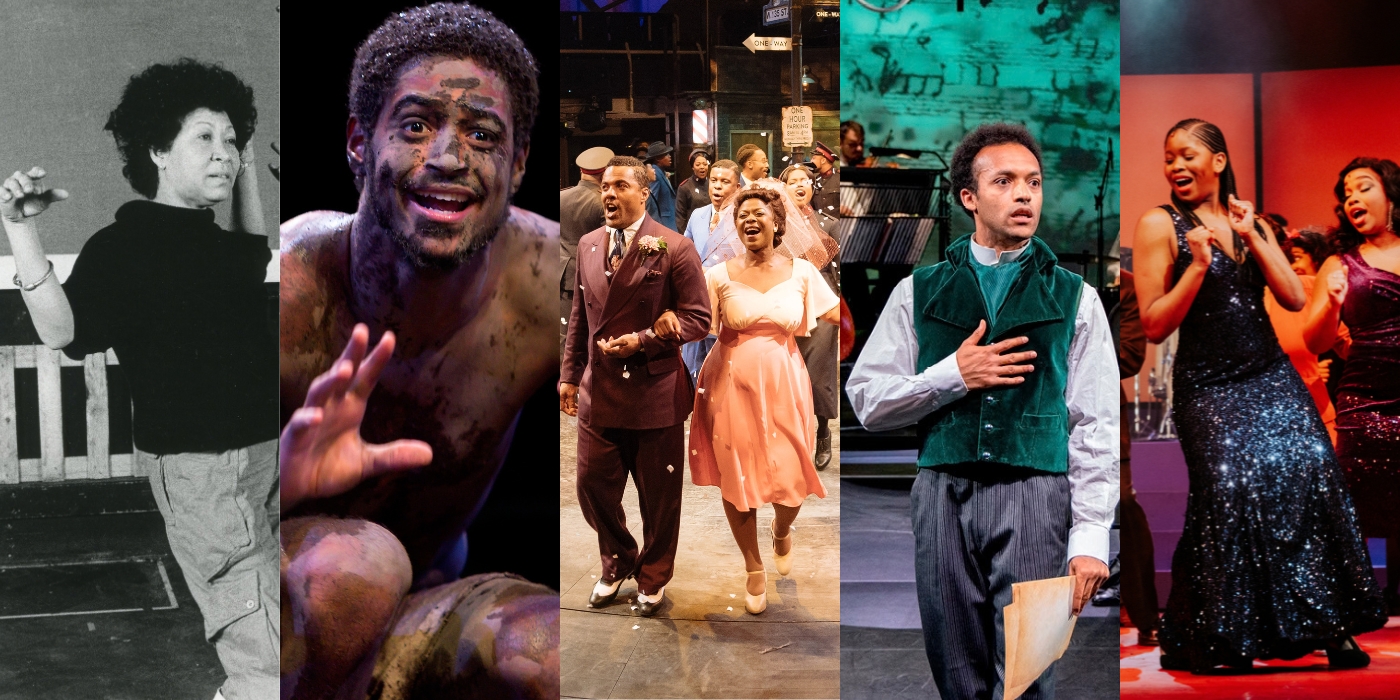
We first got to know Talawa back in 2019 when they moved to Croydon to become one of the resident theatre organisations in the newly refurbished Fairfield Halls. Over the years, we’ve had the pleasure of seeing several of their productions – my highlights would have to be the wonderful Recognition in 2023, about the Croydon-raised Black composer Samuel Coleridge-Taylor, and the unusual Home Song last year, a co-production with the Unicorn Theatre in the form of an interactive musical for babies – yes, you heard right. Highlights, as you can imagine, for very different reasons.
Talawa’s story, of course, began long before they came to Croydon. Next month, the theatre company marks its 40th anniversary with Talawa Iconic, a landmark gala on 13 October celebrating four decades as the country’s leading Black British theatre company.
What better time to catch up with Co-CEO Carolyn ML Forsyth to hear more about the gala itself, as well as what it means for Talawa to turn forty?
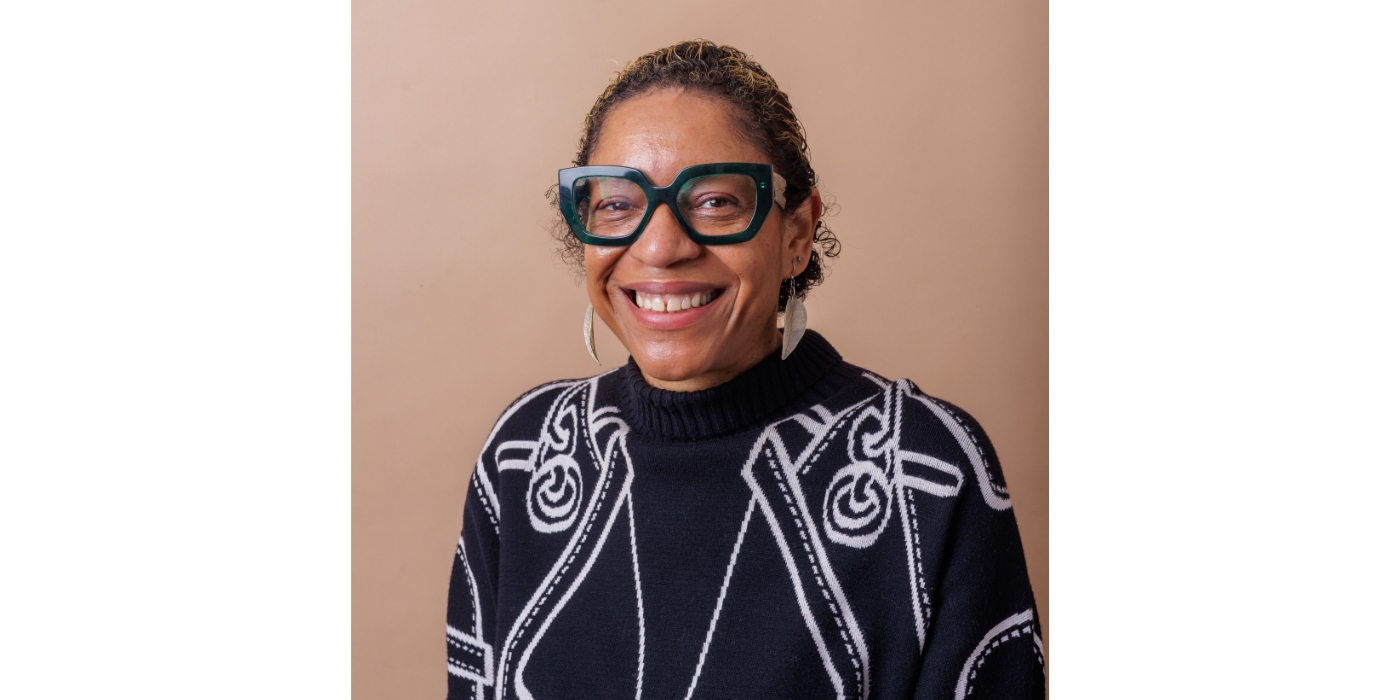
Carolyn ML Forsyth – photo by Gifty Dzenyo
Croydonist: Talawa celebrates its 40th anniversary this year. When you look back at what the company’s founders set out to change in 1986, what feels most remarkable about the journey since then?
Carolyn: It really feels incredible to have reached this milestone: forty years of Black excellence at Talawa. We’ve established a legacy in that time, but truthfully, it feels like we’re just getting warmed up.
We’ve made a deliberate artistic choice to centre Black experiences in the arts. Black British theatre has had to constantly fight for space, for visibility, for basic recognition at times. So, the fact that Talawa is still here, still pushing, still leading…it shows that we still fulfil a valuable role in the arts.
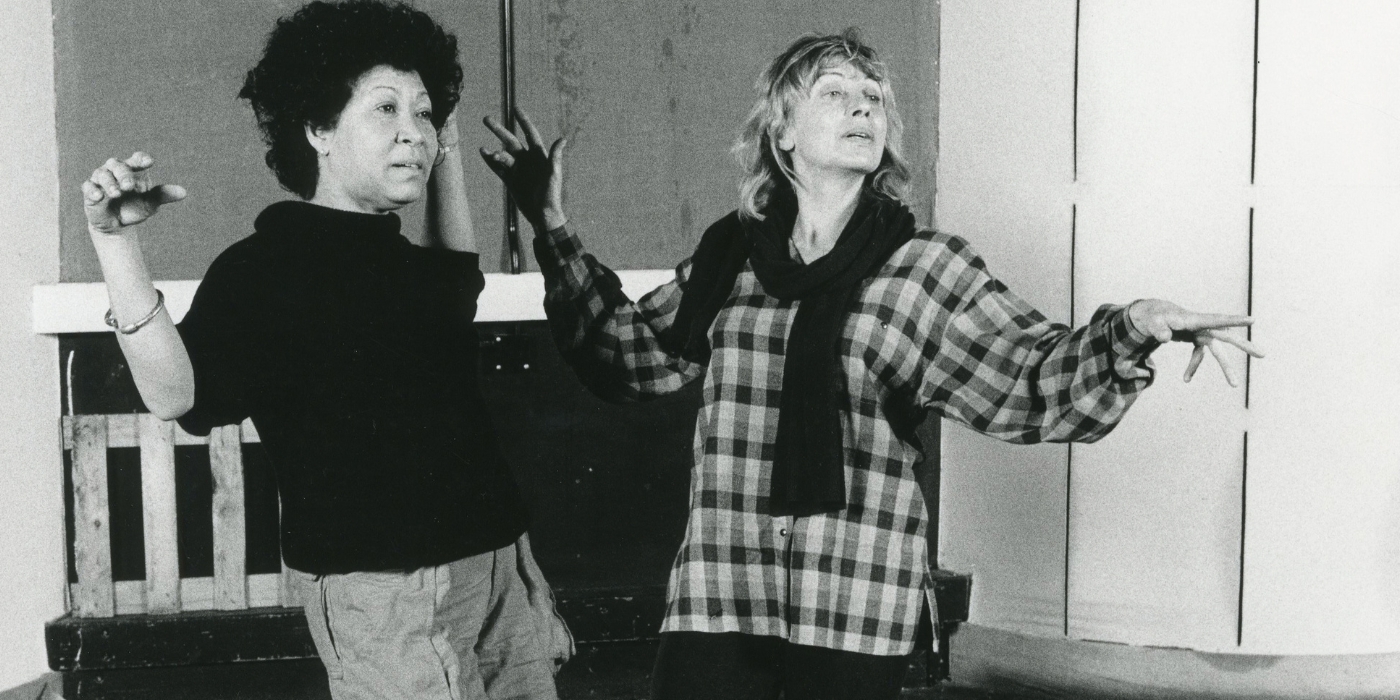
Black Jacobins (1987) – Robert Aberman Photography, Riverside Studios Archive
Croydonist: The anniversary showcase revisits productions spanning Talawa’s four decades, from ‘The Black Jacobins’ in 1986 to ‘Fragments of Us’ this year. How did you distil such an extensive history into one evening?
Carolyn: With great difficulty! Talawa has over 90 productions staged since 1986, and it’s impossible to represent all that art in a single night. The Black Jacobins being our inaugural production was one that we simply couldn’t leave out. However, the through line for all our work is its ability to platform some of the greatest Black talent this country has ever seen. Talawa Iconic is, necessarily, a very small snapshot of some of our better-known shows across four decades, and it serves as a good introduction to who we are as a company for anyone who hasn’t had the pleasure of previously seeing our work on stage.
Croydonist: Talawa has nurtured an extraordinary range of Black British talent over the years. Beyond the names audiences may recognise, what do you think has been the company’s most important influence on British theatre?
Carolyn: We’ve proved that Black excellence isn’t a rare commodity. We just need to invest in more people, consistently. We’ve got amazing Black talent in this country, but visibility can sometimes go to the same few names. We need the door to be opened wider so more talent can be seen. To change that, everyone in the ecosystem must do their part – funders, critics, venues, and audiences.
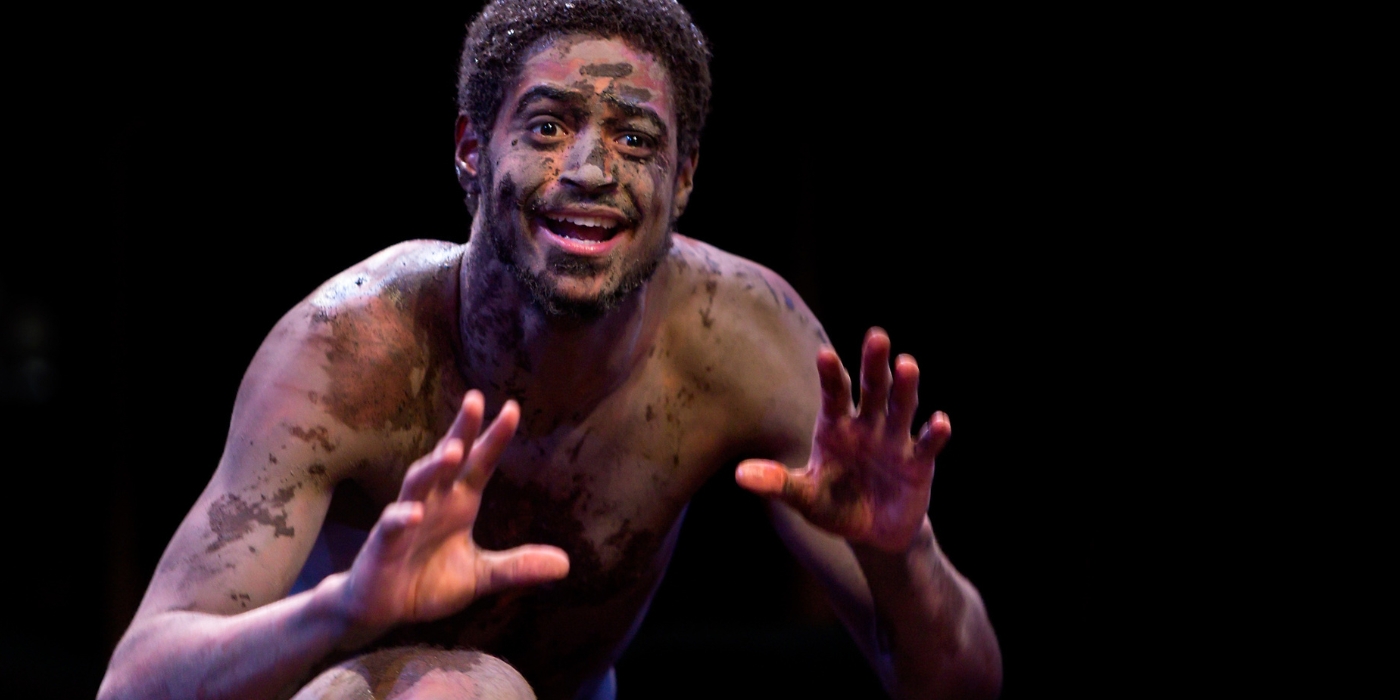
KING LEAR 2016 (Royal Exchange Theatre) Alfred Enoch (Edgar) Photo Jonathan Keenan
Croydonist: Talawa has been based in Croydon since 2019. How has the borough shaped the company during that time, and what has it made possible?
Carolyn: We’re based in the iconic arts venue Fairfield Halls, and it’s the first time the company has had its own self-contained studio space. This opens an incredible range of possibilities for us to explore new work. Croydon was named London Borough of Culture during 2023, and this has been an important catalyst for the local arts scene and our own artistic programme, with shows such as Recognition rooted deeply in the history and characters of this place. We are all beneficiaries of a renewed zeal to make culture a central part of the lived experience of everyone living and working in the borough.
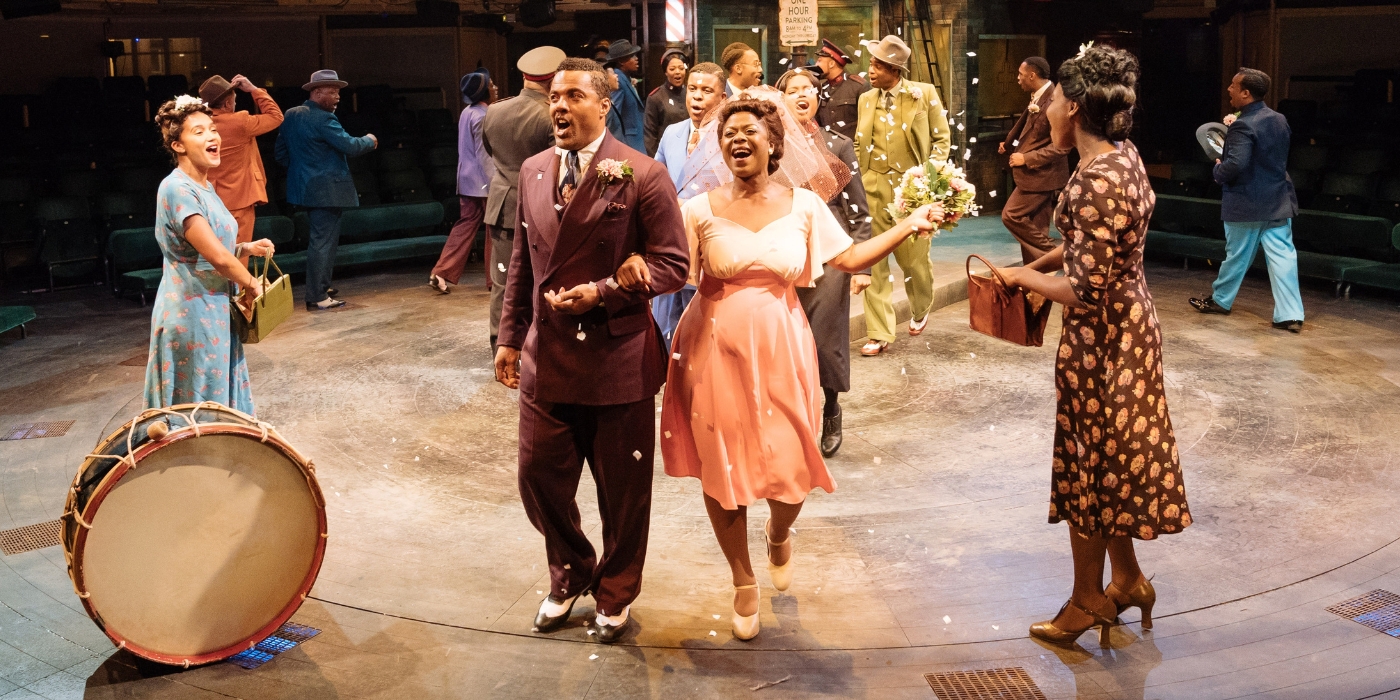
Royal Exchange Theatre & Talawa – Guys & Dolls 2018 – Ray Fearon, Lucy Vandi and Full Cast – Image by Manuel Harlan
Croydonist: Talawa Iconic takes place at Hackney Empire rather than in Croydon. What made Hackney the right home for this particular celebration – and how will Croydon feature within Talawa’s wider anniversary year?
Carolyn: For the showcase, we required a venue large enough to accommodate our ambition. Hackney Empire has been an incredibly supportive partner to us, and there are many commonalities between our artistic communities. Throughout the year, we have been holding activities in celebration of our 40th anniversary at the Talawa Studio in Croydon, including our young people’s theatre programme (TYPT) and our annual festival of new work (Talawa Firsts). We will continue to explore opportunities to showcase Talawa in the Croydon area over the next year.
Croydonist: Croydon residents can buy reduced-price tickets for the showcase. Why was it important to ensure that Talawa’s local community could be part of the evening?
Carolyn: It feels like access to the arts is quite quickly going into reverse gear, with cost-of-living pressures meaning many people must make difficult decisions daily about how to spend the limited money in their pockets. Theatre as an industry is hurting – our costs are spiralling every year. However precarious it may feel to put on quality work in such a challenging economic environment, we have a duty to try and make theatre as inclusive a space as we possibly can, and part of the solution is keeping tickets affordable.
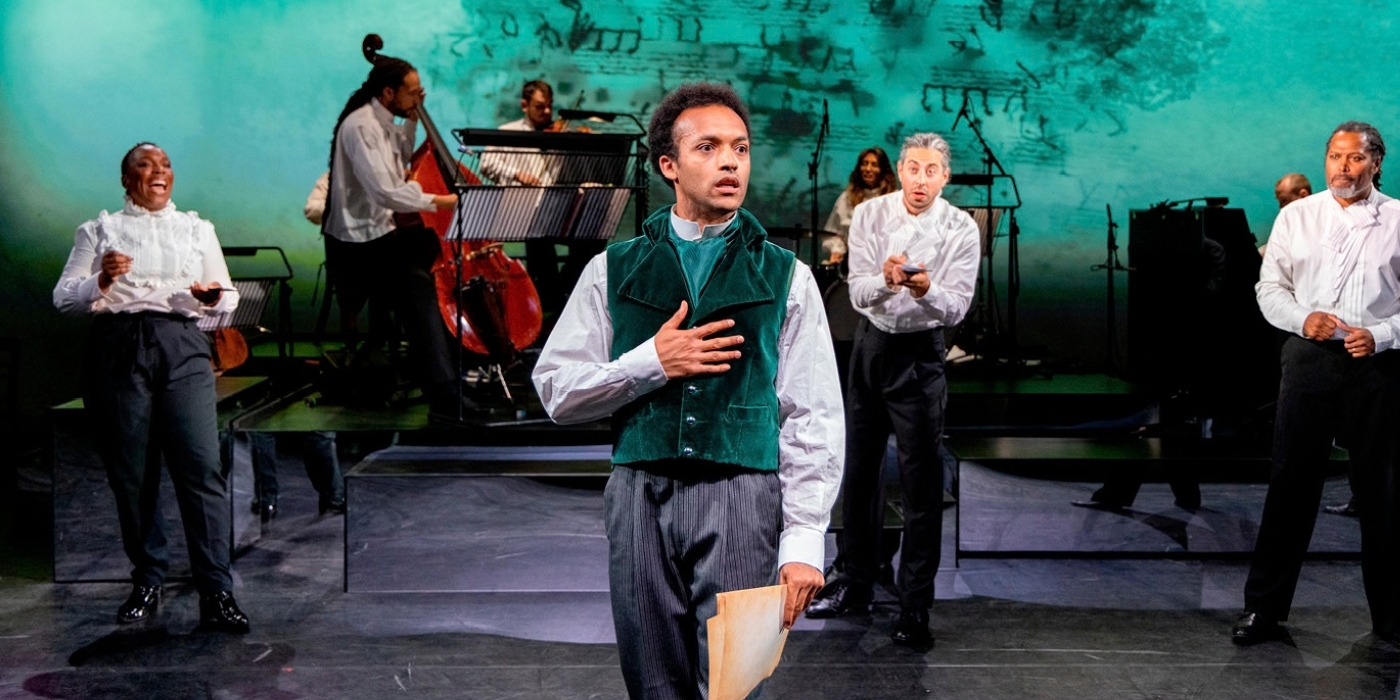
Recognition 2023, Fairfield Halls – photo by Gifty Dzenyo
Croydonist: Talawa was founded to address the lack of opportunities for Black actors on British stages. Forty years on, where has the industry made meaningful progress – and where is change still frustratingly slow?
Carolyn: There’s a new confidence in the way Black artists are telling stories. We see this evidenced every year during Talawa Firsts: our festival of new writing. Creatives are mixing genres, playing with form, blending theatre with digital – it’s exciting to witness.
And what I love most is that artists aren’t waiting for permission anymore. They’re creating their own paths.
Artists need a space where they can experiment without fear. They need mentorship that opens doors and role models they can look up to. Artist wellbeing is still a huge area of concern.
A career in theatre requires resilience. More than ever, artists need someone in their corner saying, “Try it. Seriously – go for it.” That’s how bravery grows.
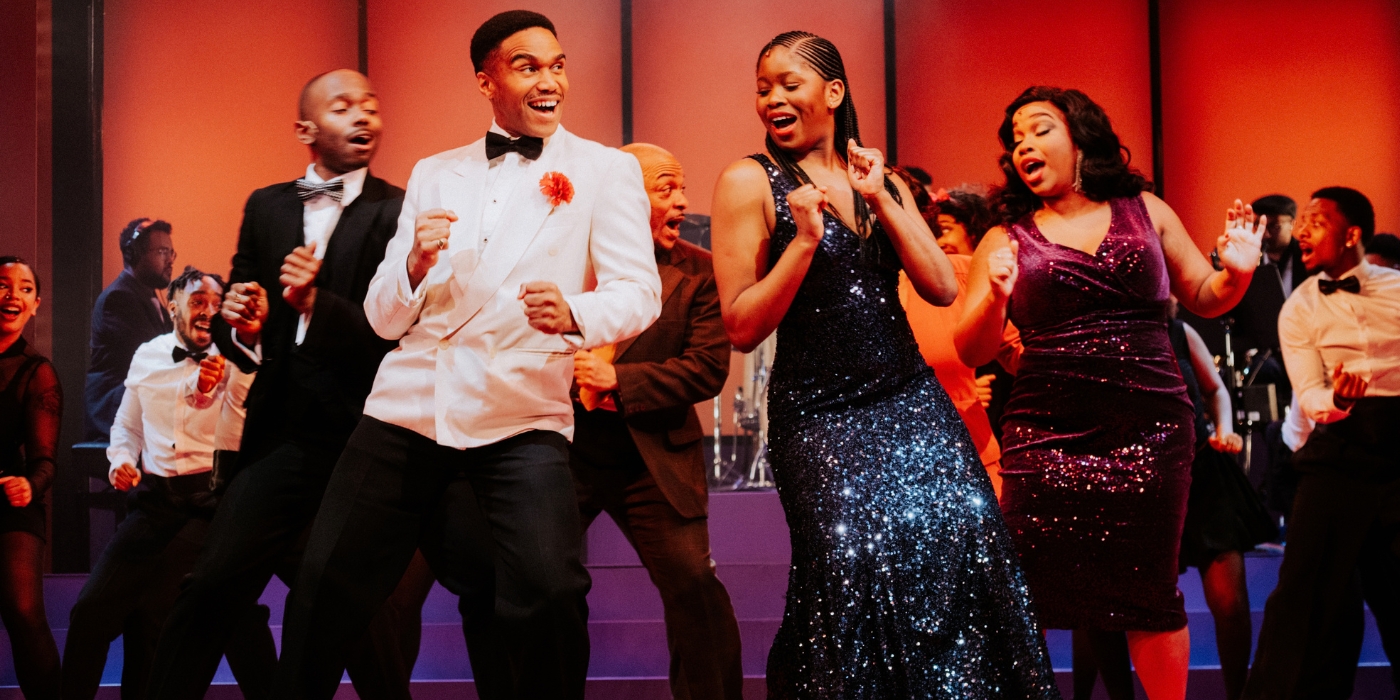
Play On!, Ensemble – Ciara Hillyer Production 2025
Croydonist: Anniversaries inevitably involve looking backwards, but Talawa also continues to nurture new voices through initiatives such as Talawa Firsts. How do you hope the company’s next generation of artists will reshape British theatre – and what excites you most when you look towards Talawa’s next 40 years?
Carolyn: 40 years is an extraordinary milestone. For us, it is a chance to pause and reflect on what Talawa Theatre Company means: to the artists who have found encouragement here, to audiences who have recognised themselves in the work, and to the staff, facilitators and backstage teams, past and present, who have helped the company move forward. A living legacy asks us to keep taking risks, investing in artists and ensuring that the next generation has the space and support to make its mark.
Thank you to Carolyn for chatting with us.
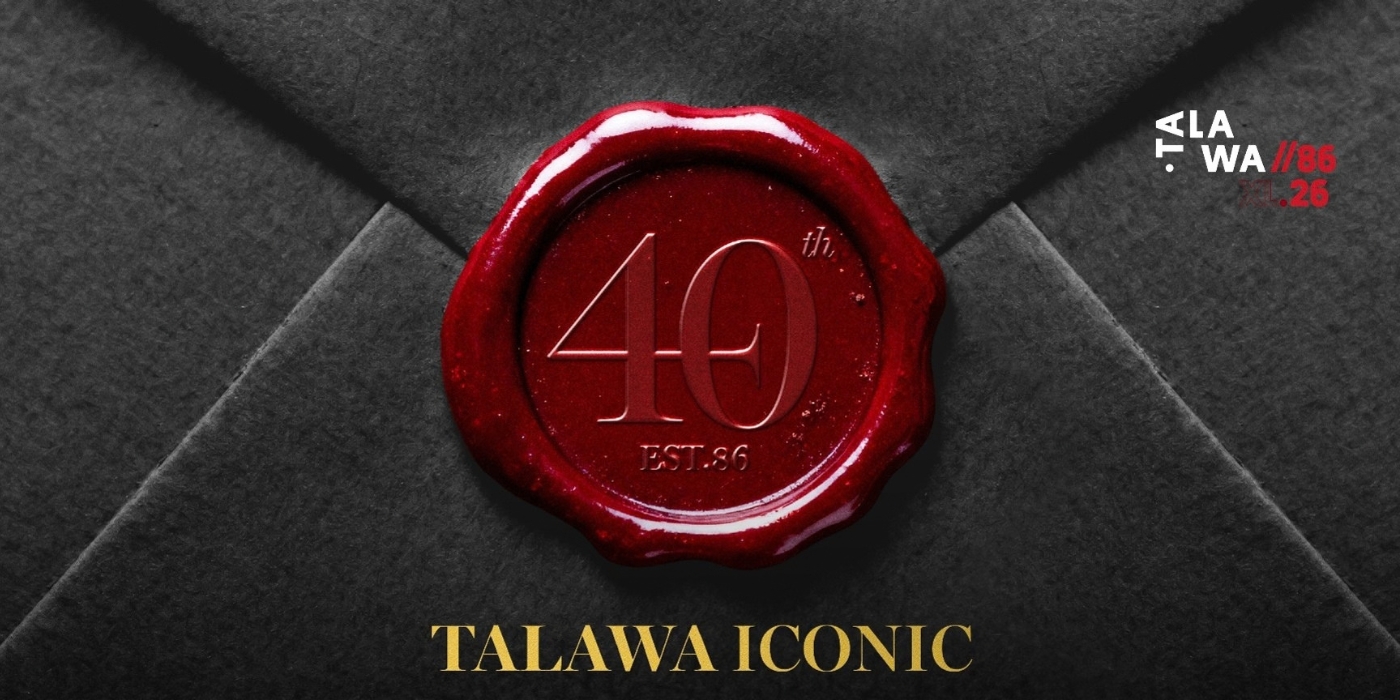
‘Talawa Iconic’ takes place at 7pm on Tuesday 13 October at Hackney Empire.
Find out more and get your tickets here. Follow Talawa on Instagram.
Images courtesy of Talawa.
Posted by Julia

No Comments