

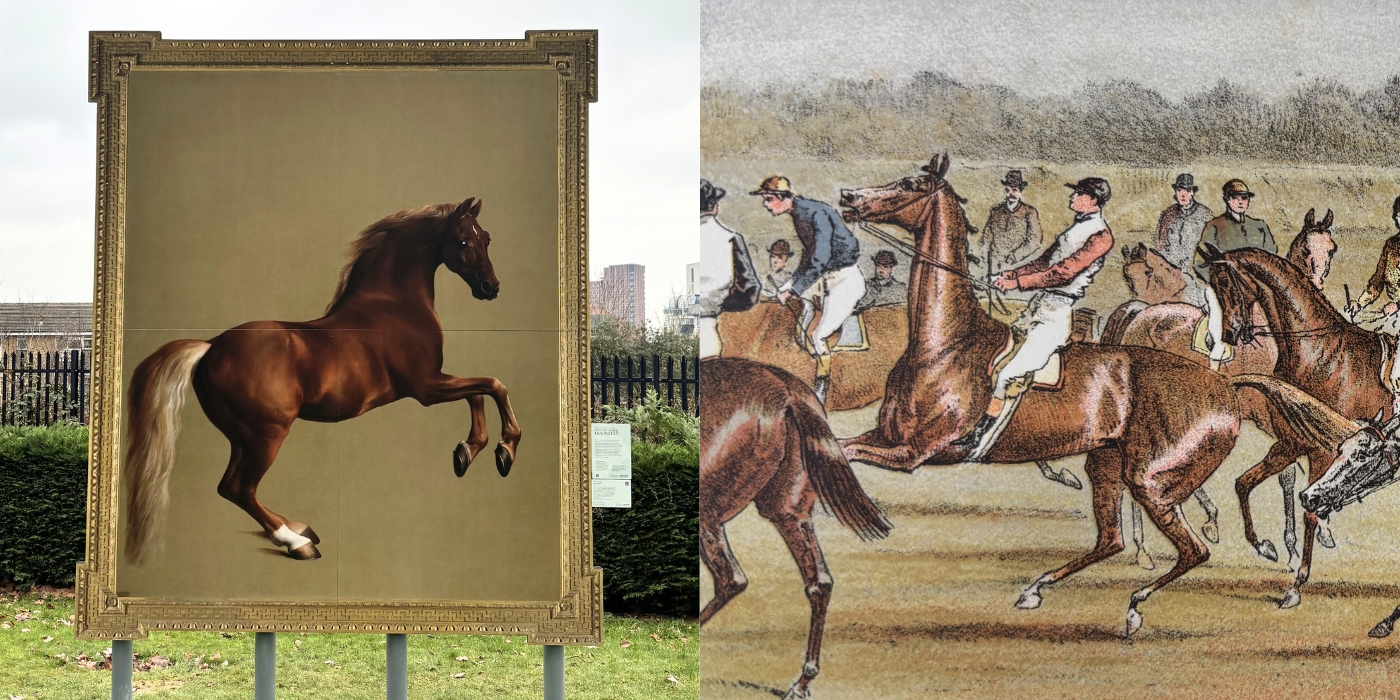
Earlier this week, I headed to the Town Hall, with all its ornate Victorian grandeur, to hear the final lecture in the series exploring the hidden histories behind masterpieces from The National Gallery. This was part of the Art On Your Doorstep programme, which is currently showcasing life-size replicas of National Gallery paintings, around public locations in Croydon. If you haven’t seen any of them yet* you must have been wandering around the borough wearing blinkers, which segways rather clunkily into the subject of the lecture, as it was all about horses.
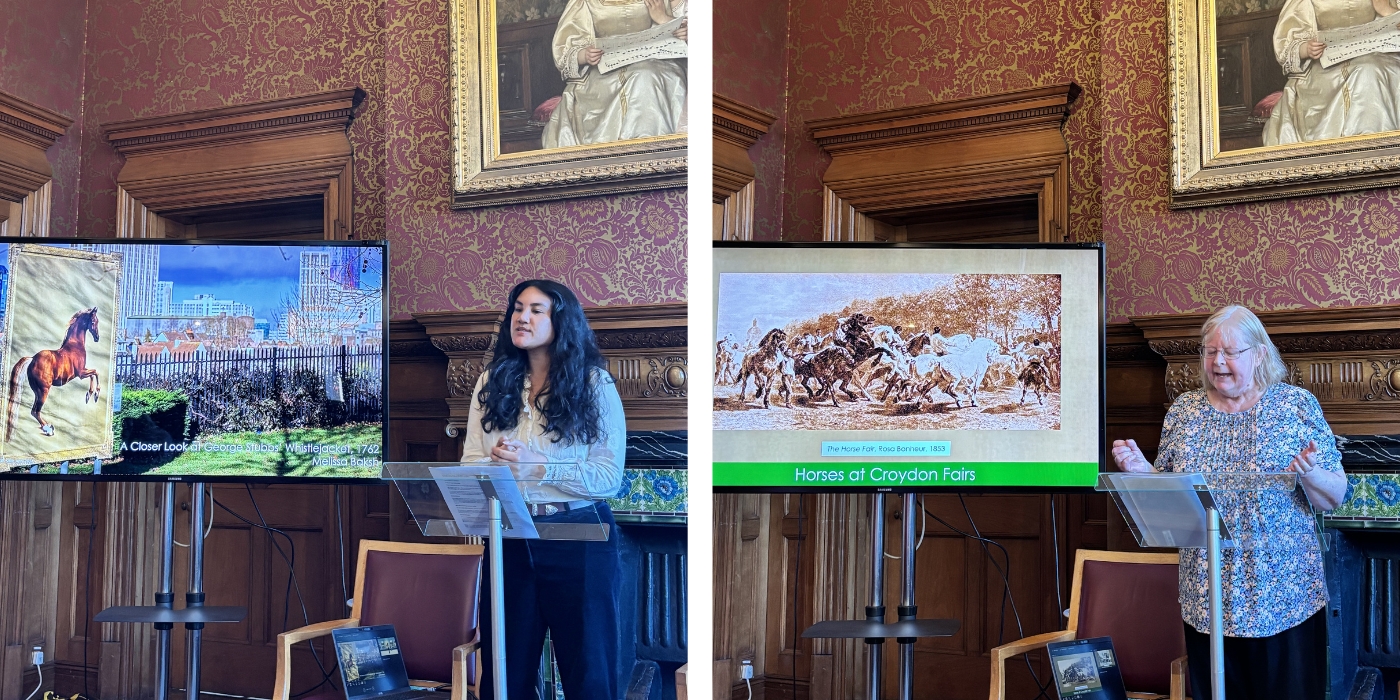
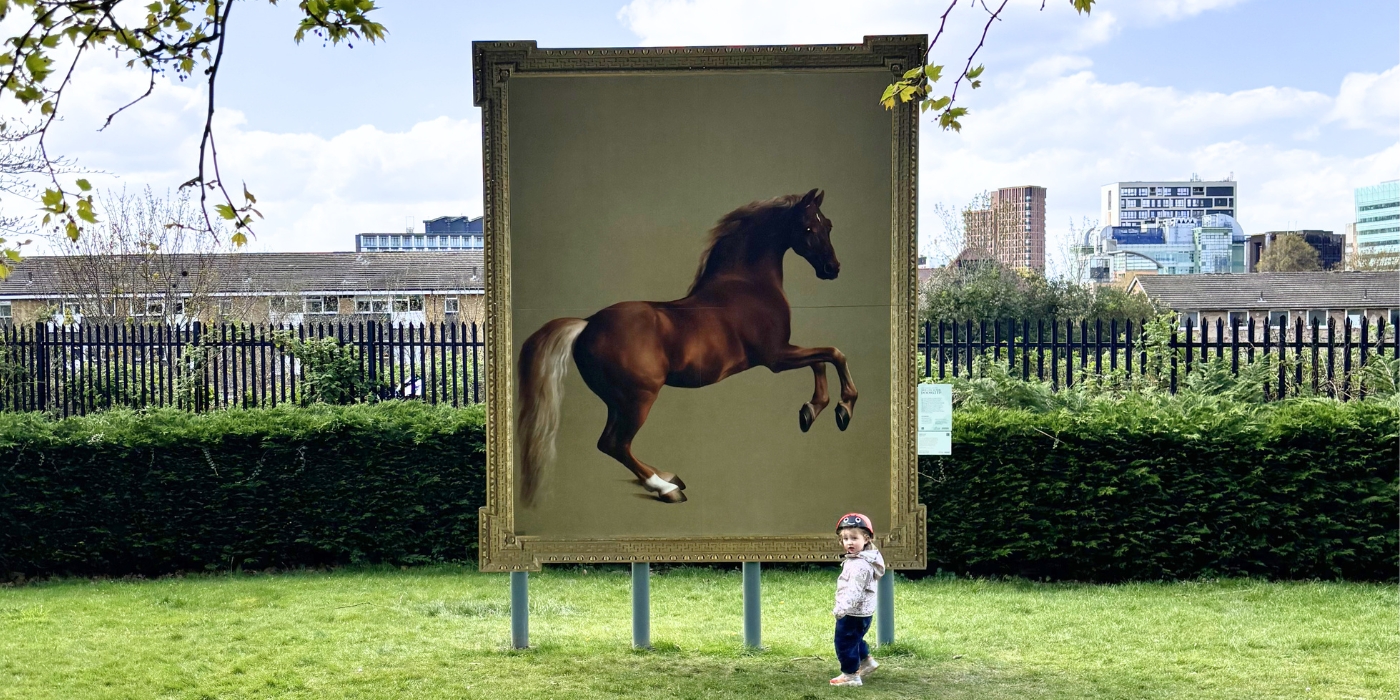
Called ‘Whistlejacket and the Croydon Races’, the lecture had two parts – art historian Melissa Baksh kicked off proceedings by discussing George Stubbs’ famous horse painting ‘Whistlejacket’ (the replica of which currently resides in the middle of Park Hill Park), and then local historian, Carole Roberts of CNHSS, followed on to talk about Croydon (horse) races. Yes! Croydon was rather well-known for this back in the day…
And what initially sounded like two mini lectures sitting side by side, around a common equine theme turned into a fascinating history of a horse painting which very neatly linked to Croydon’s historic horse-racing scene.
First Whistlejacket (which I’ll try not to call Whistledown for all those Bridgerton fans, or Straightjacket, as a fellow lecture attendee mistakenly said). What a weird name for a painting – well Whistlejacket was actually the name of this famous chestnut race horse, who was owned by the wealthy 2nd Marquess of Rockingham.
Despite being struck by the painting’s giant proportions (a life-size depiction of a horse apparently) and being slightly irked by its rather off-centre composition, I had not really considered it further, until this lecture.
Painted around 1762, for its time, Whistlejacket was considered radical. Firstly its minimalist style (not the horse of course, but the lack of background) was most irregular in the 18th Century, as most paintings overdid the detail in the background to say the least.
Secondly Melissa explained because of its nearly three-metre size – in this period of history, large paintings were reserved for royals and gods – Stubbs had effectively elevated this animal to the highest rank imaginable (a societal comment perhaps?). And thirdly, Whistlejacket was given human qualities, it’s not just a painting of a horse but a portrait of a horse – there’s no rider controlling him, no saddle or reins confining him, and the glint in his eye gives the stallion an air of emotional intelligence (that may or may not have been present in the real horse).
Melissa also went on to tell us that George Stubbs was actually a self-taught painter despite his unmatched anatomical accuracy in his equine painting (he painted far more than a few horses in his time). There were actually other background-less horse paintings that the Marquess commissioned Stubbs to paint, which accompanied Whistlejacket on the walls of Wentworth House. And a slightly icky fact for you – Stubbs was so good at painting horses, because he was obsessed with their anatomy, and spent a year and a half dissecting horses in his barn in Lincolnshire to understand their structure…
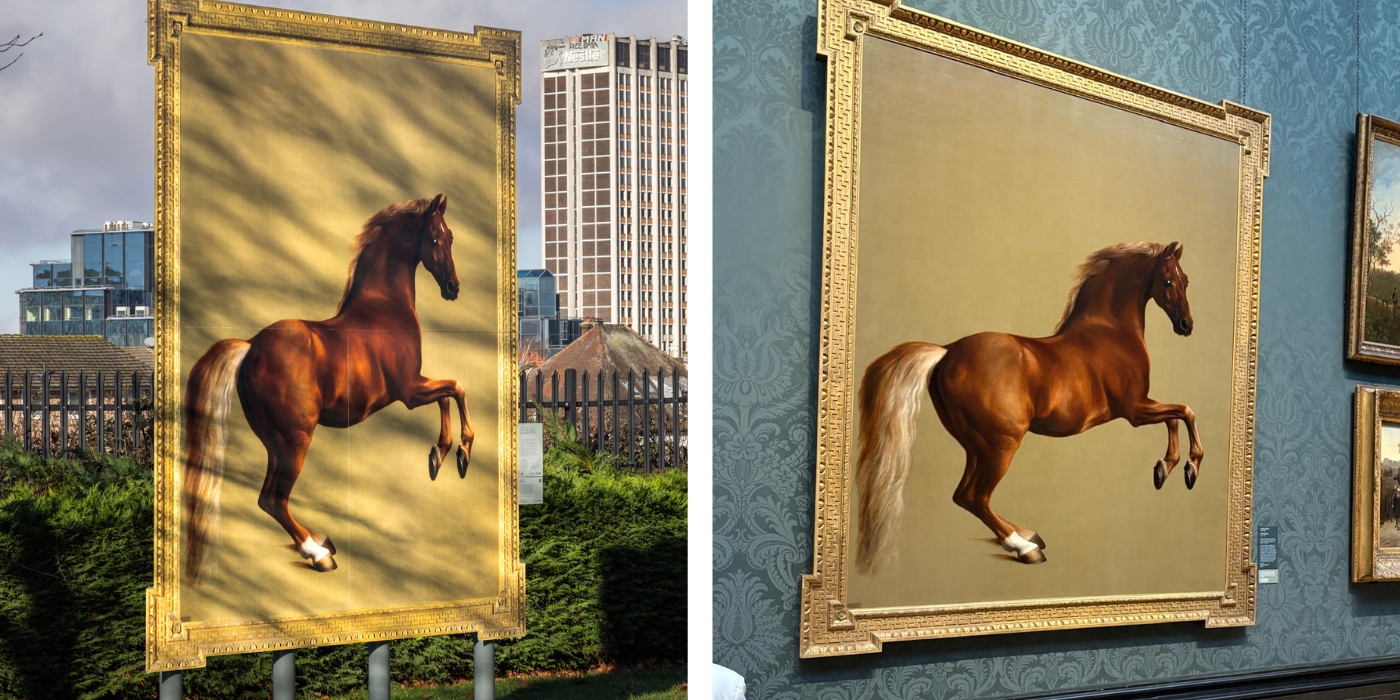
Left: the Park Hill Park ‘Whistlejacket’ courtesy of Culture Croydon by Glenn Foster. Right: the real ‘Whistlejacket’ in The National Gallery by Kim Teare.
And now we bring horses closer to home, as Carole then took the reins (sorry, couldn’t resist) to talk about the real horses of Croydon.
Over to Croydon Races.
Of course, Carole explained, we had horses transporting people on Croydon’s streets until after the Second World War and they even pulled trams until 1901. There was also a horse fair as part of Croydon’s famous Walnut Fair. And we have a history of hunting, which explains the various pubs with hunting names (such as the Hare and Hounds on the Purley Way).
But horse racing in Croydon goes back at least as far as the 1200s, as there are records of a race accident at a tournament on Duppas Hill in 1286 (yes, the recreation ground that nowadays flanks the busy road to Waddon Station – I’ll be imagining the races next time I’m sitting in a traffic jam on the way to Waddon Leisure Centre).
Queen Elizabeth I (friend of Archbishop John Whitgift) frequented Croydon’s races in the 1580s, as did her successor James I.
From the 1690s, the Brighton Road was taken over as a horse track on race days (think of the congestion trying to get to the coast!)
There was then a bit of gap in Croydon’s horse-racing history before it resurfaced in Victorian times, when Steeplechases came to town in 1858.
These races took place at Selhurst Farm. Heaver’s Meadow is all that remains now of the green space in the area. It always was a bit too wet there however, as Norbury Brook (now underground) ran through the farm.
So from 1860 the races moved to Weaver’s Farm, which was part of Park Hill Farm. (Three guesses where that is today…) Chichester Road was on the northern edge of the race track, where the grandstand at the time was built.
Carole told us that the races were raucous affairs with a fair bit of pick-pocketing going on – although Croydon’s races were apparently more orderly than most.
In the Park Hill heyday, horses were transported from across England, Ireland and France to race, and some had rather questionable names, like ‘Useless Brute’ and ‘Idiot’. (And I thought Victorians were prim and proper).
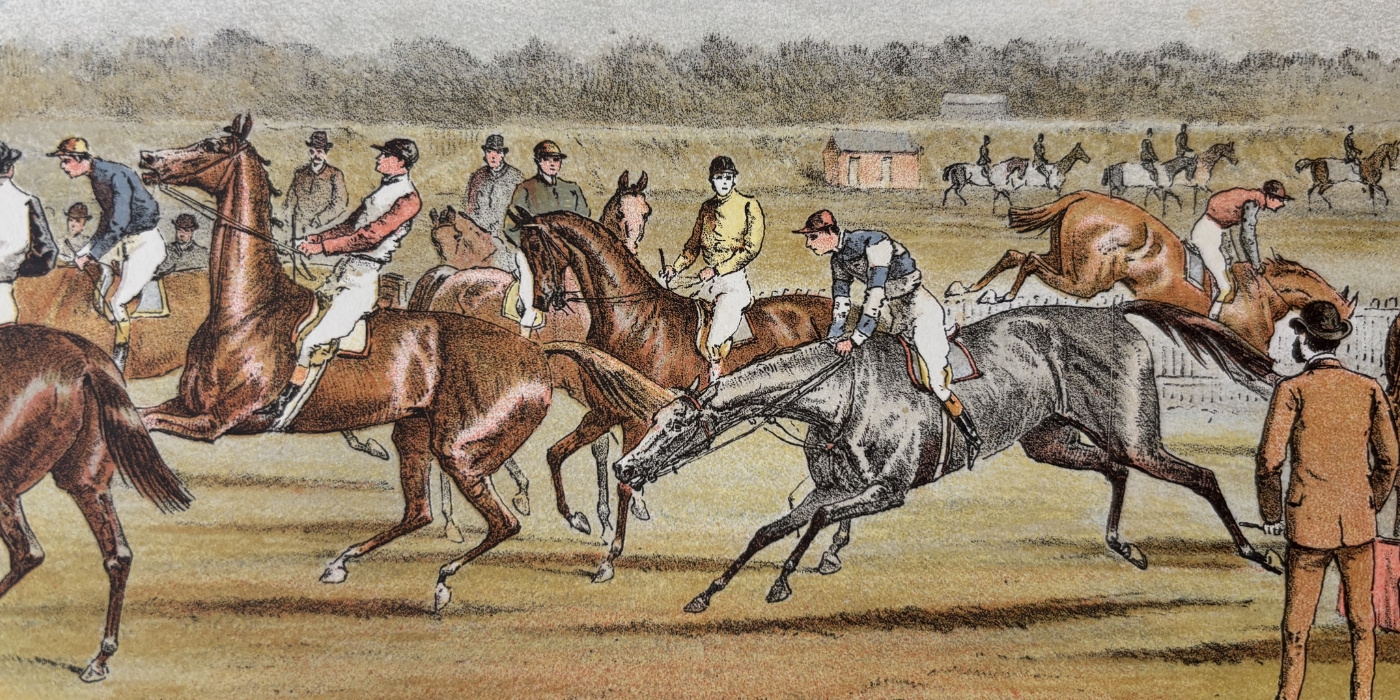
Image by John Sturgess from The Badminton Library: Racing, 1886
At this point I realised it wasn’t just a coincidence that Park Hill Park was chosen for the location of the Whistlejacket painting, and the lectures suddenly linked.
Sadly for Park Hill races, in 1866, Park Hill Road was built across the land in preparation for suburban development, so the track had to move again – this time to Woodside. Ashburton Library, Oasis Academy and its playing fields, Ashburton Playing Fields and the housing estate off of Long Lane now sit in this area.
Flat races were introduced here from 1867 and Woodside station opened in 1871 to accommodate all the people travelling to see them, with a Grand International Hurdle Race taking place in 1879.
Racing licences were introduced the same year, and local residents began to oppose the licence renewals, because of the crowds, the noise and the crime. And by 1889 the residents got their way and the licence was refused. The last Croydon races were held in November 1890.
The course then moved to Gatwick, and by 1892 the Woodside track had been replaced by Beckenham Golf Club (as if the races never existed).
This was a brilliant bit of Croydon history I knew nothing about, so next time I’m gazing at the Park Hill ‘radical’ Whistlejacket (a weekly occurrence in my world), I’ll be thinking about the Victorian horses hurtling by.
Thank you to Melissa and Carole for such an insightful lecture.
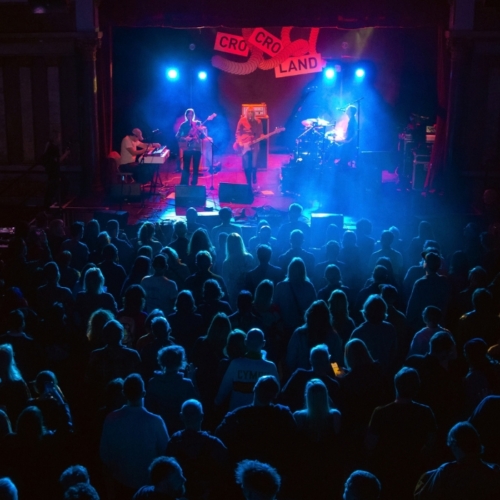
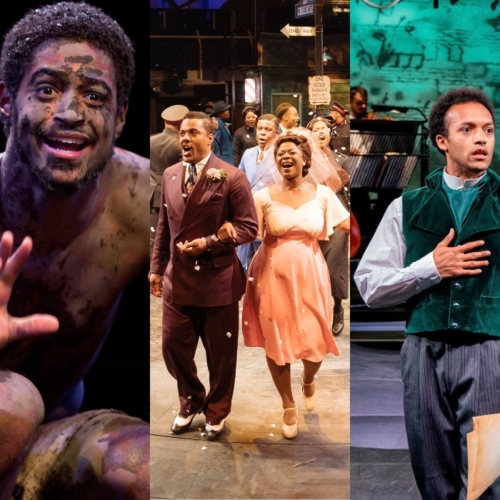
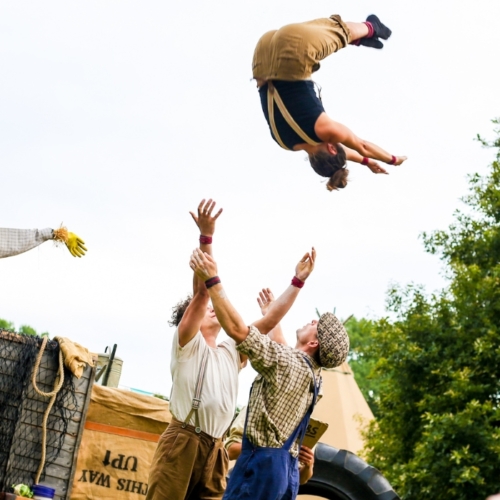
There are still a few events planned in the Art On Your Doorstep programme, an Asian arts festival in May, an art fair in June and a Circus weekend in July. Head over to the Culture Croydon website to find out more.
*Don’t worry you have until 5 July to see the paintings.
Posted by Julia

No Comments